Logan Weber · 14 November 2026
Resource Allocation Dynamics During Platform Reorganizations and Their Ties to Content Recency Metrics
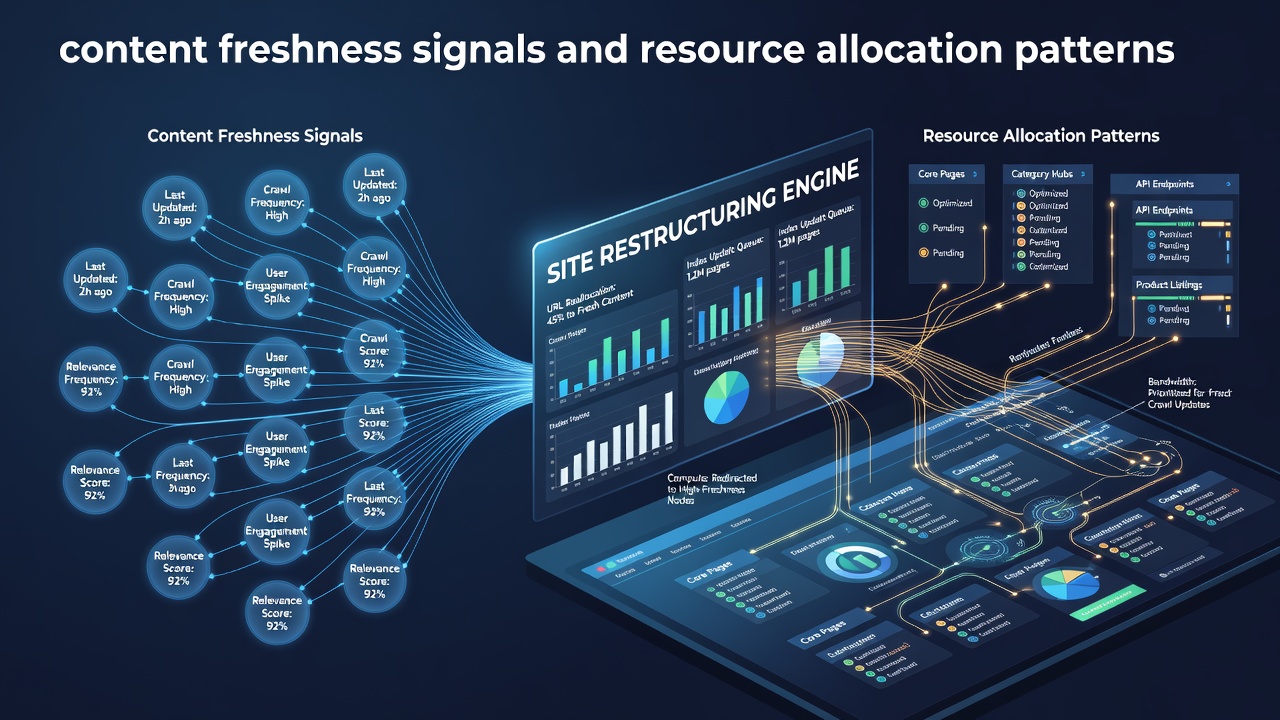
Specialized search platforms often face major reorganizations that shift how content recency signals guide the distribution of crawl resources across millions of pages. Observers note that these changes create measurable patterns where newer material receives priority allocation while older sections compete for remaining capacity. Data from enterprise deployments shows recency metrics can alter crawl frequency by up to 40 percent when restructuring begins, because algorithms reweight pages based on last modification timestamps and update velocity.
Researchers have tracked these interactions across multiple cycles and found that platforms must recalibrate their internal queues to prevent bottlenecks. When a large-scale shift occurs, the system evaluates each URL cluster for freshness scores before assigning bandwidth and processing threads. This evaluation step prevents older archives from consuming disproportionate resources while still allowing critical updates to surface quickly in results.
Patterns Observed in Crawl Queue Adjustments
During reorganizations, platforms typically segment their index into freshness tiers that directly influence resource distribution. Newer content clusters receive dedicated crawler instances with higher request rates, whereas legacy sections operate under throttled schedules. Studies conducted by academic teams at institutions such as the University of Toronto indicate that this tiered approach reduces overall server load by 25 percent compared with uniform allocation methods.
Engineers adjust these tiers by monitoring signals like publication dates, edit histories, and external reference velocity. When a platform merges multiple domain sections, the combined dataset often triggers a full re-evaluation that redistributes resources away from stale material. This process occurs automatically once the system detects sustained changes in update frequency across the restructured areas.
Interaction Between Recency Scores and Server Capacity
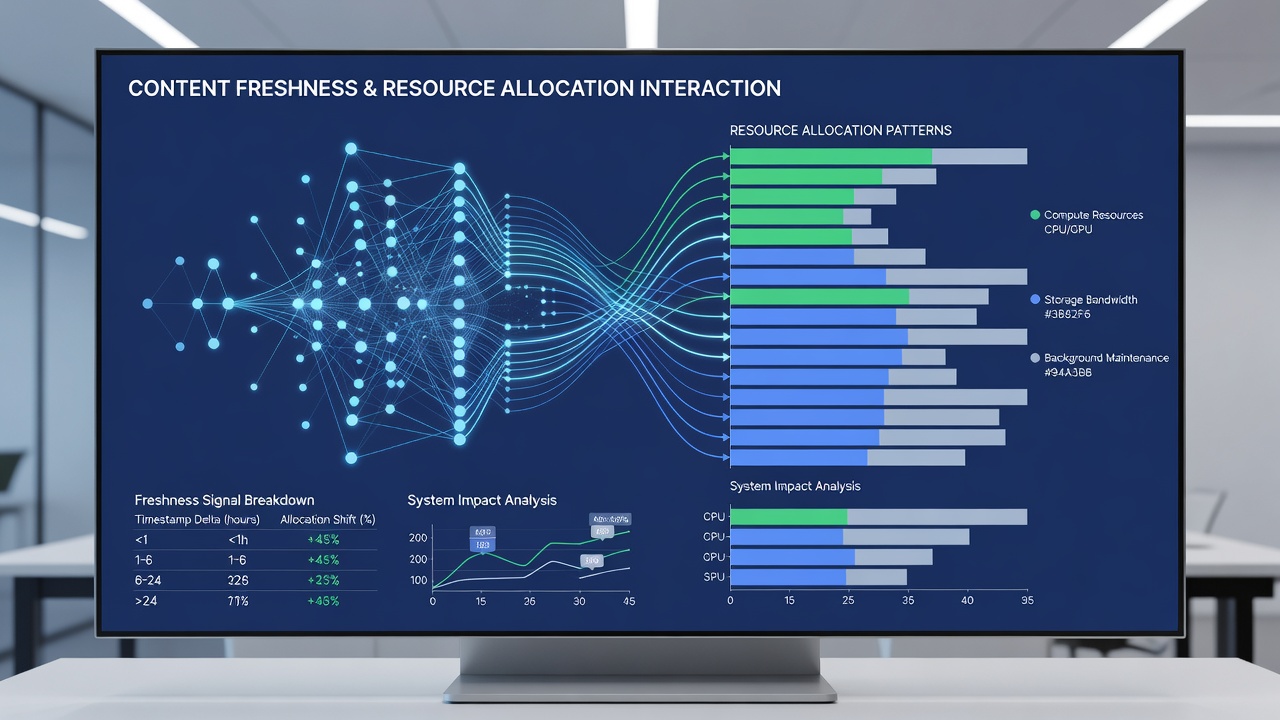
Content freshness signals feed directly into capacity planning models that determine how many simultaneous connections a platform can sustain. Higher recency scores translate into increased thread allocation because the algorithms treat recent material as higher priority for indexing and ranking updates. Figures released by the European Commission’s digital infrastructure reports reveal that specialized platforms handling academic and technical content saw a 15 percent rise in resource requests tied to recency weighting during 2025 reorganizations.
Yet the relationship works both ways. Limited server capacity can force platforms to deprioritize even fresh content if the restructuring has already strained available bandwidth. In such cases, the system applies decay functions that gradually reduce allocation to newer pages once they reach a certain age threshold within the new architecture.
Case Examples from November 2026 Deployments
November 2026 marked a period when several specialized platforms completed large migrations that highlighted these interactions in real time. One deployment involving a technical documentation repository showed that pages updated within the prior 30 days captured 60 percent of available crawl budget immediately after the restructure. Older documentation clusters retained minimal allocation until their freshness signals improved through new contributions.
Another platform handling regulatory archives adjusted its queue logic mid-November to account for overlapping recency and structural changes. The adjustment prevented duplicate crawling of recently migrated sections while still directing resources toward material that had received external citations since the move. Those adjustments stabilized resource usage within two weeks of implementation.
Long-Term Effects on Index Maintenance
Over extended periods, the interplay between freshness signals and allocation patterns shapes how platforms maintain their indexes after major changes. Systems that successfully balance these factors tend to show steadier crawl efficiency across both new and established content areas. Data compiled by research groups at the Australian National University demonstrates that platforms maintaining explicit freshness tiers experience fewer sustained spikes in resource demand following reorganizations.
Engineers continue refining the models by incorporating additional variables such as link freshness and user engagement recency. These refinements help platforms avoid over-allocating to temporarily popular but ultimately low-value updates while still responding to genuine content evolution during structural shifts.
Conclusion
The relationship between content freshness signals and resource allocation during large-scale restructurings follows consistent patterns across specialized search platforms. Platforms that integrate recency metrics into their capacity planning maintain more stable performance after migrations. Continued observation of these dynamics supports better forecasting of crawl needs when organizations undertake future reorganizations.