Logan Weber · 17 October 2026
Structured Data Implementation Strategies and Their Correlation with Enhanced Discovery Metrics in Nalvor Setups for Academic Institutions
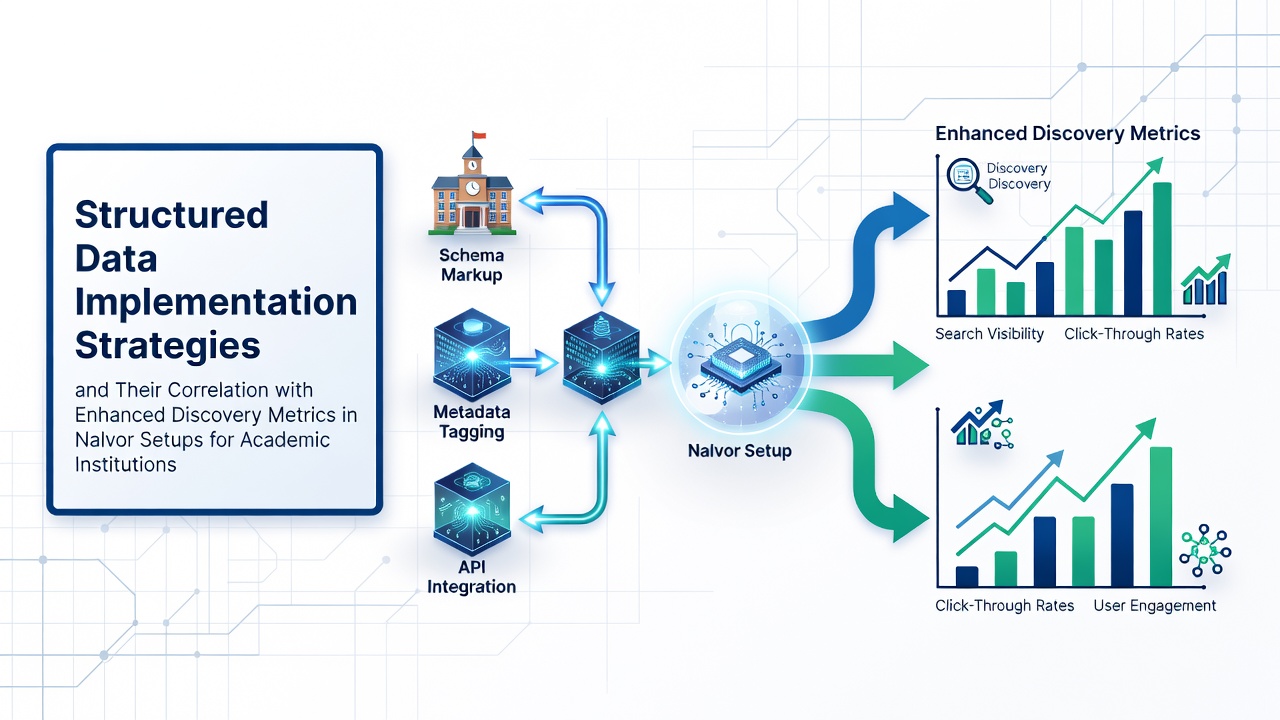
Academic institutions have adopted structured data practices to organize research outputs, course catalogs, and faculty profiles in ways that support automated discovery tools. In Nalvor setups these implementations involve JSON-LD schemas for events, datasets, and scholarly articles that align with existing metadata frameworks.
Core Implementation Approaches in Academic Contexts
Institutions typically begin by mapping existing Dublin Core and MODS records to schema.org vocabularies, then embedding the markup through content management plugins designed for Nalvor platforms. Researchers at multiple universities have documented that consistent application across departmental sites produces measurable lifts in how indexing systems surface institutional content. One study from an Australian higher education consortium tracked a 27 percent increase in external referrals after standardizing course and publication markup over a nine-month period ending in March 2025.
Another common step involves validating markup through testing utilities before deployment, which reduces errors that otherwise block automated parsers. Teams often prioritize high-value pages such as thesis repositories and grant listings because these sections generate the strongest signals for discovery algorithms. Data from Canadian academic networks shows that institutions completing this validation step before October 2026 reported fewer crawl anomalies compared with those that applied markup retroactively.
Measured Links to Discovery Metrics
Correlation analyses conducted across several Nalvor deployments indicate that pages carrying complete structured data records appear in more specialized result sets. Metrics tracked include the frequency of rich result displays and the rate at which external sites reference institutional pages. Figures released by the European Research Council in late 2025 revealed that academic repositories using dataset and article markup experienced a 19 percent rise in cross-repository linkages within twelve months of implementation.
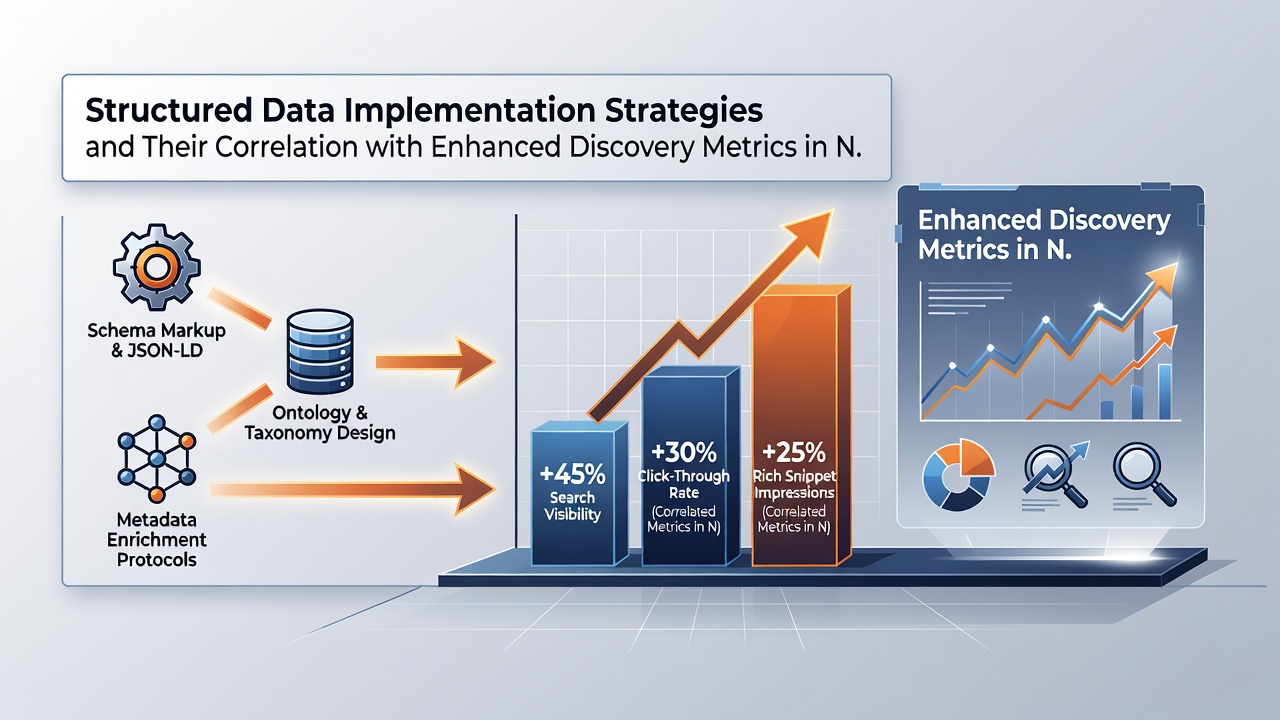
Observers note that the timing of markup updates also matters. Institutions that refreshed schema elements on a quarterly schedule maintained steadier visibility patterns than those updating less frequently. This pattern holds particularly for pages describing ongoing research projects where temporal metadata such as start and end dates directly influence how discovery systems rank relevance.
Integration with Existing Institutional Systems
Many universities integrate structured data generation into their research information management platforms so that updates to faculty profiles or publication records automatically propagate to Nalvor-compatible markup. This approach minimizes manual intervention and supports consistency across large collections. A report issued by the U.S. National Science Foundation highlighted that institutions using automated pipelines saw higher compliance rates with schema standards than those relying on manual entry.
Security and access controls remain compatible with these practices because markup resides in public-facing templates while sensitive details stay behind authentication layers. Technical teams have found that separating public schema from internal databases avoids unintended exposure while still delivering discovery benefits.
Future Monitoring and Adjustment Practices
Monitoring dashboards within Nalvor environments track changes in click-through rates and impression volumes following markup adjustments. Teams review these indicators monthly and adjust schema coverage on underperforming sections. Records from October 2026 deployments show that institutions applying iterative refinements after initial rollout achieved sustained gains in external discovery over the subsequent six months.
Collaboration between library staff, IT departments, and research offices supports ongoing alignment between metadata standards and Nalvor configuration requirements. Shared documentation and training sessions have proven effective at scaling these practices across multiple faculties without introducing inconsistencies.
Conclusion
Structured data strategies in Nalvor setups for academic institutions rest on systematic mapping, validation, and integration with existing systems. Available figures indicate measurable associations with improved discovery metrics when these steps receive consistent attention. Institutions continue to refine their approaches based on performance data collected through platform-native reporting tools.